








Why Most Directors Are Still Missing Safe Harbour
Why That’s a Problem
Despite years of availability, Australia’s Safe Harbour regime remains widely under utilised. Internal research from Vantage Performance reveals a concerning reality: the majority of company directors still lack a clear understanding of how Safe Harbour works or how to use it effectively.
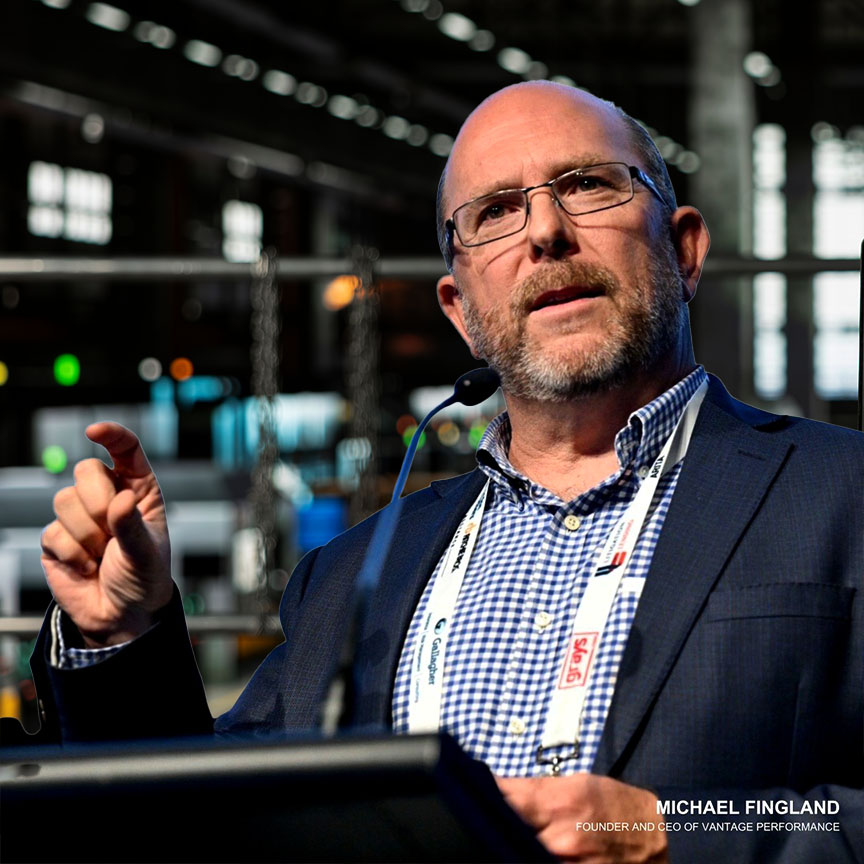
For Michael Fingland, Founder and Managing Director of Vantage Performance, the findings are more than surprising, they’re deeply concerning.
A Critical Gap in Director Awareness
Speaking with Phil Dobbie on the Vantage Performance podcast, Fingland expressed disappointment that so many directors remain unaware of Safe Harbour protections, particularly in an environment where economic volatility is putting pressure on businesses across sectors.
This gap in understanding is not just theoretical, it has real consequences.
During periods of disruption, such as a pandemic or economic downturn, directors are often forced to make rapid decisions under stress. Without a working knowledge of Safe Harbour, many default to overly conservative actions prematurely winding up viable businesses or avoiding necessary restructuring steps due to fear of personal liability.
Safe Harbour exists precisely to counter that.
What Safe Harbour Is Really Designed For
At its core, the Safe Harbour regime is intended to give directors breathing room.
It allows them to continue trading while developing and implementing a restructuring plan without the immediate risk of insolvent trading liability, provided they are taking a course of action reasonably likely to lead to a better outcome than liquidation.
But this protection is not automatic.
It requires active engagement, discipline, and a structured approach.
Why Struggling Businesses Need a Robust Safe Harbour Plan
Safe Harbour is not a passive shield, it’s an active process. Directors must demonstrate that they are taking informed, deliberate steps to improve the company’s position.
A robust Safe Harbour plan is the foundation of that process.
Without it, directors risk falling outside the protections entirely.
The Key Elements of an Effective Safe Harbour Plan
A credible Safe Harbour strategy is not a vague intention to “turn things around.” It must be grounded in evidence, rigor, and execution. Key components typically include:
1. Clear Financial Visibility
Directors must have an accurate and up-to-date understanding of the company’s financial position. This includes cash flow, liabilities, and forward projections.
Without this baseline, any turnaround plan lacks credibility.
2. A Defined Restructuring Strategy
There must be a specific, actionable plan outlining how the business will improve its position. This could involve operational changes, cost restructuring, refinancing, or strategic pivots.
The plan must be more than aspirational, it needs to be executable.
3. Engagement with Qualified Advisors
Safe Harbour strongly favours directors who seek input from appropriately qualified restructuring or turnaround professionals.
This not only strengthens the plan but also demonstrates that decisions are being made on an informed basis.
4. Ongoing Monitoring and Adaptation
Conditions change, especially in distressed environments. A Safe Harbour plan must be dynamic, with regular reviews and adjustments as new information emerges.
Static plans quickly become irrelevant and potentially risky.
5. Proper Documentation
Documentation is critical. Directors must be able to evidence their decision-making process, the advice received, and the steps taken.
In many cases, the strength of a Safe Harbour defence comes down to the quality of this record.
The Cost of Inaction
The biggest risk is not failure, it’s hesitation.
Directors who delay action due to uncertainty or lack of understanding often reduce their available options. By the time they engage, the pathway to recovery may be significantly narrower.
Safe Harbour is designed to encourage early intervention.
But it only works if directors know it exists and understand how to use it.
A Shift in Mindset
Ultimately, the issue is not just technical it’s cultural.
Many directors still view financial distress as something to avoid confronting until it becomes unavoidable. Safe Harbour requires the opposite approach: early recognition, proactive planning, and disciplined execution.
For us, increasing awareness is critical.
Because in a challenging economic environment, the difference between survival and failure often comes down to how early and how effectively directors act.